Two paths, one goal
Water damage is a common Boston home issue. A quick cleanup with household tools can help in some cases, but the real value comes from knowing when to call in restoration specialists. Our crew emphasizes practical, safe actions so you don’t make the problem worse or miss hidden moisture behind walls.
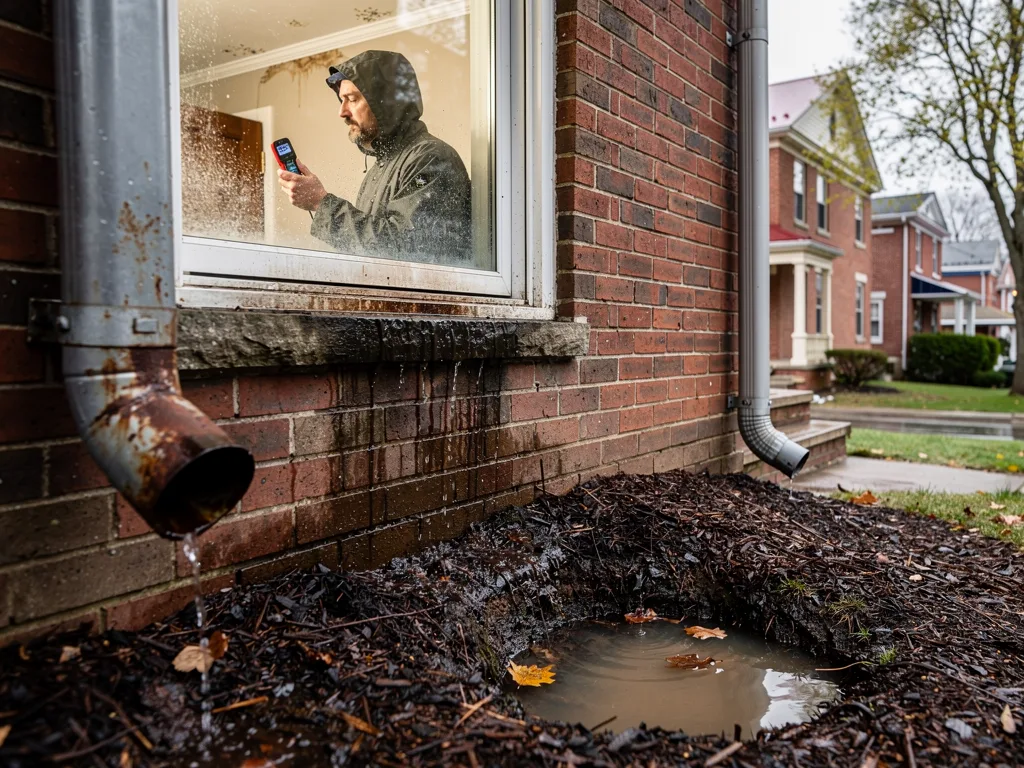
Consider the scope. A small surface spill on a kitchen cabinet is not the same as water that’s traveled through drywall to studs. In Boston, spring rains, melting snow, and seasonal flooding can push moisture into areas that aren’t obvious at first glance. A good rule of thumb is: if you’re unsure about the extent, call for an on-site assessment.
What you can do as a homeowner
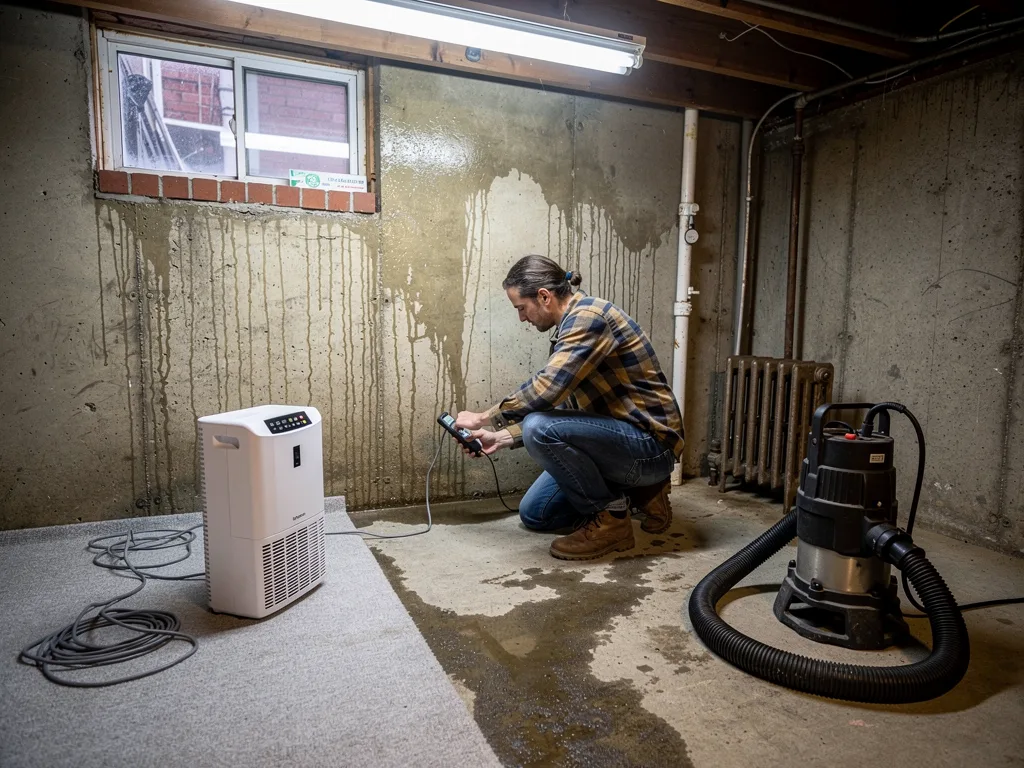
Act quickly but carefully. Remove standing water if it’s safe to do so and ventilate the space. Photograph the area and move valuables away from the moisture. If you can access the source without risking further damage, shut it off. Avoid using heat or fans directly on damp materials, which can spread moisture into hidden spaces.
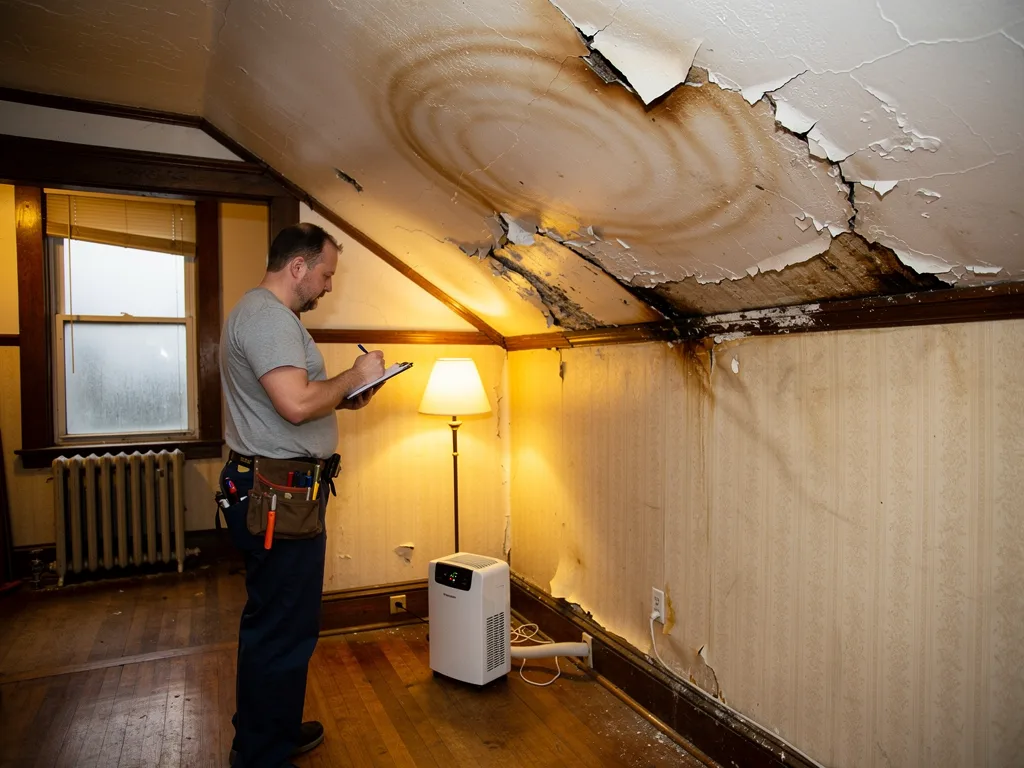
Keep an eye on hidden spots. Under sinks, behind appliances, in closets, and along baseboards are common places where moisture hides. If you see staining, peeling paint, or a musty smell, it’s time to involve restoration specialists who can pinpoint moisture levels with proper tools.
When to call a restoration specialist
If moisture persists after basic cleanup, if you notice rising humidity, or if there are visible signs of mold growth, contact a local restoration specialist. In Boston, a local team understands the climate and building styles, which helps speed up the process and avoid recurring issues. Our crew will perform a professional assessment, identify the moisture source, and outline a practical recovery plan.
What you’ll get from a pro is a clear path: safe containment if needed, controlled drying, and a plan to restore the area to pre-damage condition. We avoid vague promises and focus on transparent, actionable steps that fit your home and your schedule.
Key decisions to expect
- Which areas need drying and stabilization
- Whether materials can be saved or must be replaced
- Estimated timelines and minimal disruption to daily life