Winter and early spring prep
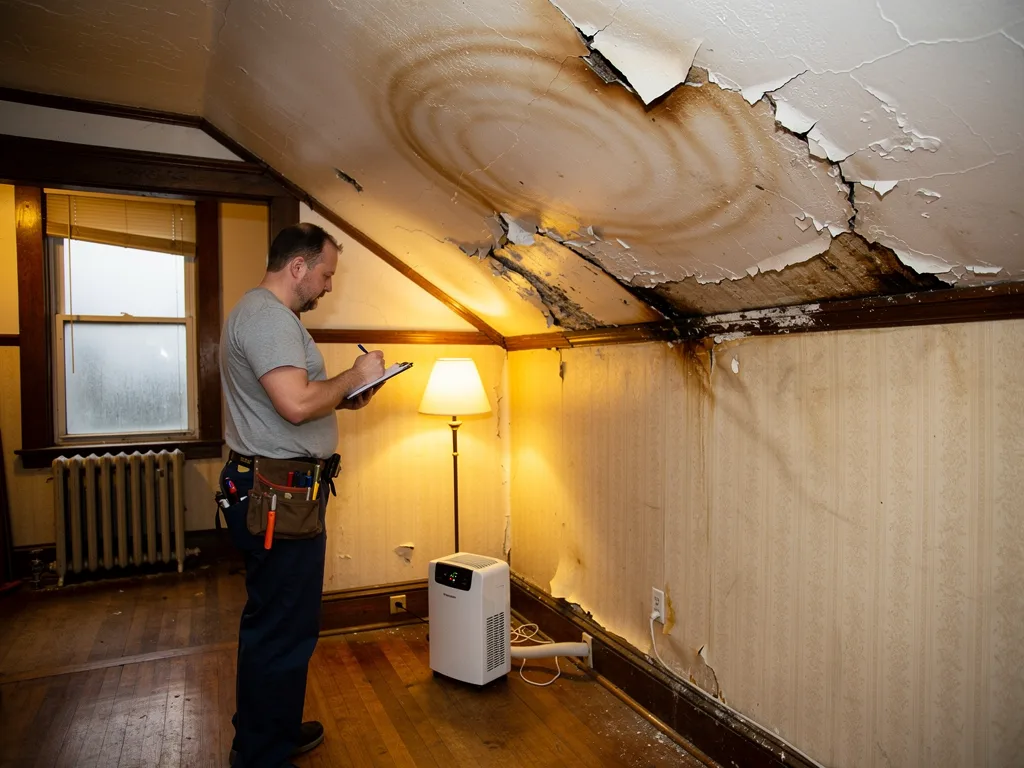
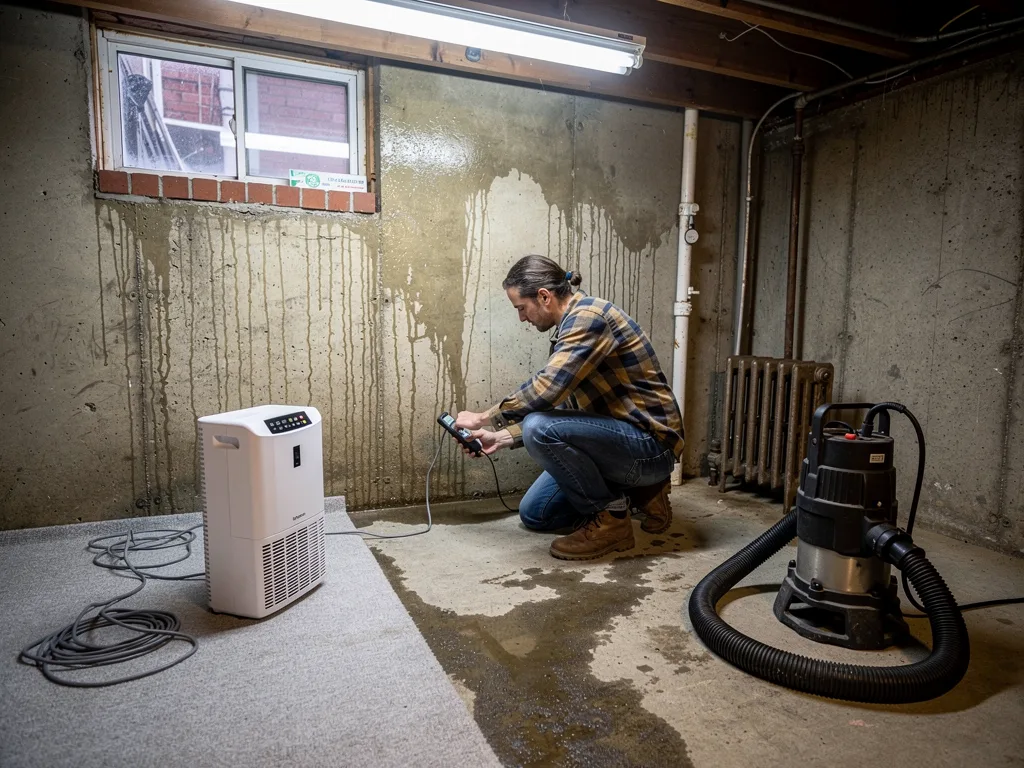
Boston winters bring freezing temperatures and bursts in the plumbing around older homes. Start by maintaining proper insulation around pipes and sealing gaps that let cold air in. Inspect the basement for any cracks or damp spots that show up after freezes. Our restoration specialists often see moisture infiltrate through foundation gaps after a freeze-thaw cycle.
Keep interior humidity in check. Use a hygrometer to track humidity levels and aim for 30 to 50 percent. If humidity spikes after a snow event or heavy rain, run a balanced dehumidification plan. This helps prevent condensation that can lead to rot or mold behind walls.
Spring and summer readiness
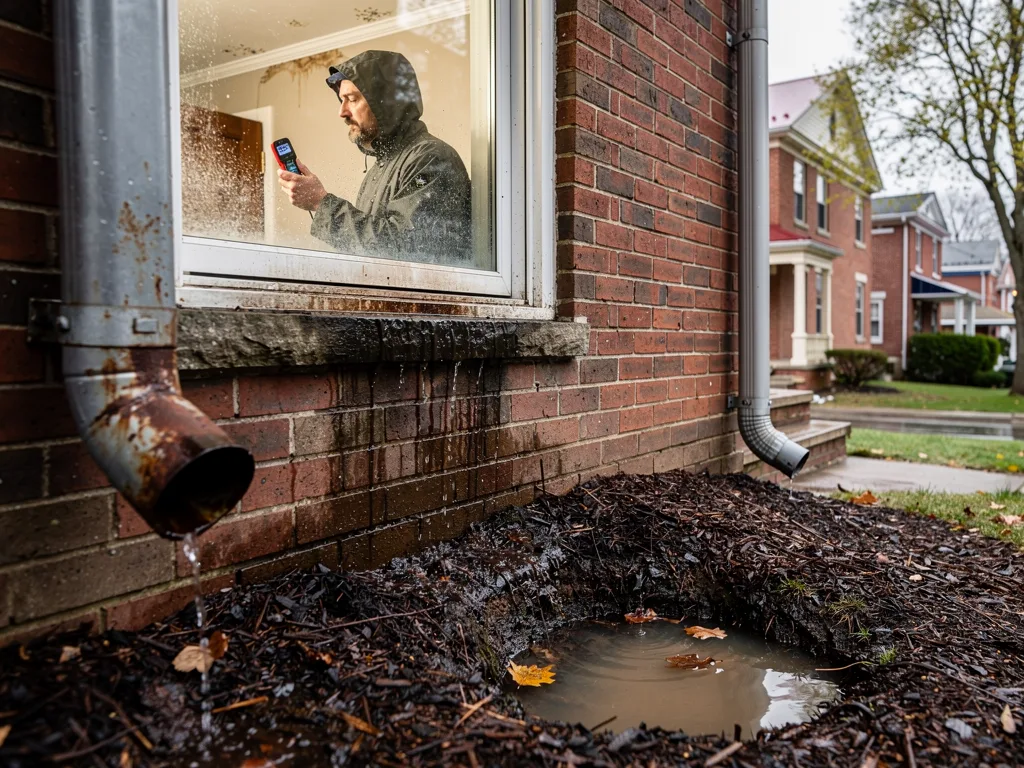
Spring brings more rain and a higher chance of weather-driven moisture. Check exterior drainage, downspouts, and the grading around the foundation. A small misdirection of water around your home can lead to bigger issues over time. Clean gutters and ensure water flows away from the house. A quick exterior check now saves trouble later.
Inside the home, monitor kitchens and bathrooms where water lines run. A slow drip behind a cabinet can go unnoticed until staining or odor appears. Schedule a ready-to-act check with our restoration specialists if you notice any dampness, staining, or musty odors. In Boston, having local pros who know the weather cycle makes a difference.
Monthly routines that prevent trouble
Implement a simple habit list. Run the exhaust fan during showers, keep sump pumps maintained if you have one, and inspect windows for air leaks after heavy rain. Rotate storage so anything stored in humidity-prone spaces gets checked every month. The goal is to keep moisture from becoming a pattern in your home.
Finally, don’t wait to act. If you detect moisture or smell nothing else explains, call Boston Water Damage. Our team will assess, map out a plan, and help you keep your home dry through Boston’s seasonal shifts.